Interview for International Women's Day: Hana Shaar – A Pioneer of Arabic Cuisine in Ljubljana
Published:
March 7, 2025

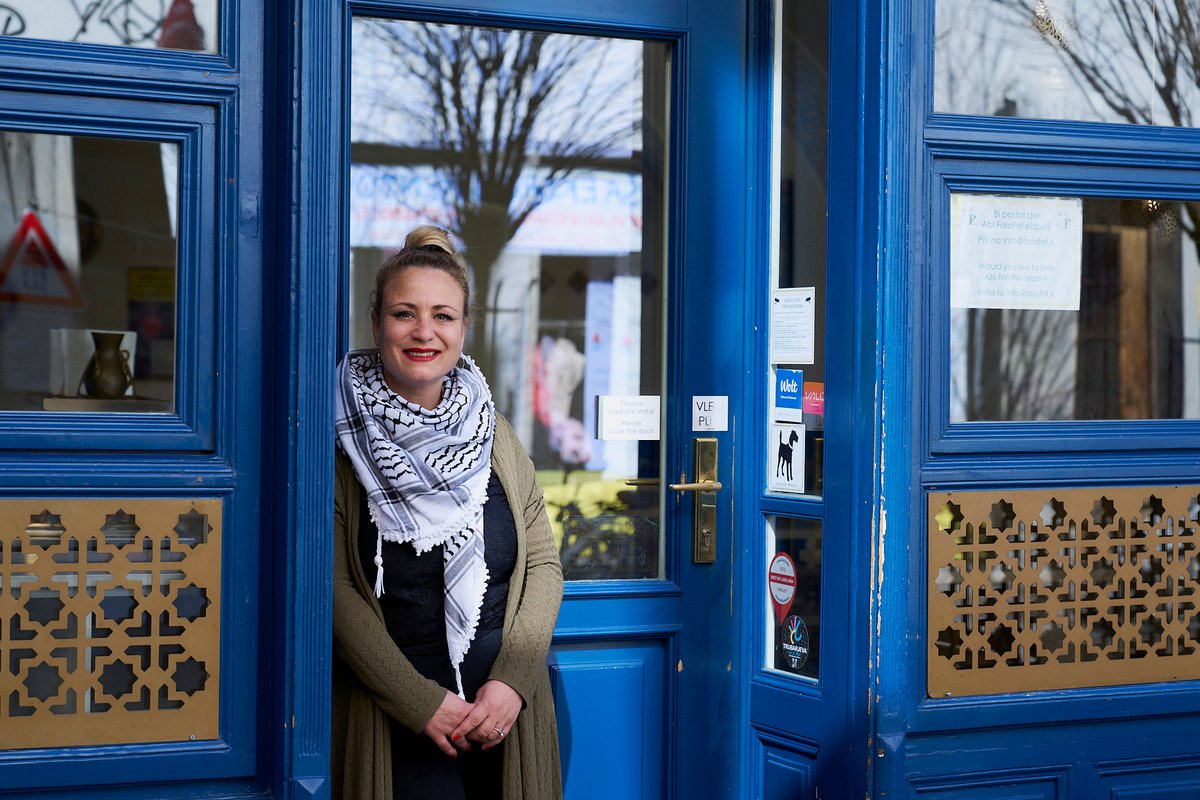
International Women's Day is an opportunity to celebrate the courage, achievements, and invaluable impact of women in society while also recognizing the importance of gender equality. On this occasion, we highlight the story of Hana Shaar, co-founder and owner of the Abi Falafel restaurant—the first Arabic restaurant in Ljubljana, which you can also find on Wolt. Her entrepreneurial journey is proof that passion for food, hard work, and perseverance can break barriers. Hana Shaar, a 42-year-old entrepreneur, is Slovenian on her mother’s side and Palestinian on her father’s. Although she is an engineer by education, her passion for culinary arts led her into the world of gastronomy. For 21 years, she has been dedicated to selling traditional Palestinian cuisine—falafel. Together with her father, Abder, she embarked on this journey without formal experience in the hospitality industry but with immense love for cooking and good food. Through hard work and unwavering dedication, they paved the way and introduced the flavors of the Middle East to Ljubljana. To mark International Women's Day, we spoke with her about her thoughts on this day, the beginnings of Abi Falafel, the importance of connecting with guests, and the challenges of running a restaurant. March 8th is International Women's Day. What does this day mean to you personally, and how do you experience it as an entrepreneur and restaurateur? I am grateful that, as a woman, I have freedom and equal rights. I am aware that all women who can make independent decisions are privileged. I am proud to be the founder and owner of one of the iconic restaurants in Ljubljana, and I am equally proud of all my female colleagues who run successful restaurants here. Abi Falafel is the first Arabic restaurant in Ljubljana. How did you experience the early days, and how did the people of Ljubljana react to your cuisine? More than 20 years ago, the street food scene was quite limited, and nobody had even heard of falafel. We were true pioneers. It was tough, and to this day, I don’t know where we found the strength to become what we are now. We persistently introduced falafel at every opportunity—festivals, events, charity functions, raffles, TV shows, advertisements—you name it. We took advantage of every chance to get people hooked on this delicious little patty. 😉 We know that you enjoyed attending festivals in Ljubljana during your student years. How did these experiences shape you and influence your business journey? My life has always been vibrant, colorful, and joyful. My parents raised my sister and me with an open-minded approach to both cultures. Even today, they are tireless partygoers. All these experiences contributed to my belief that "anything is possible if you truly want it!" Your restaurant is not just a place for food but also a space for socializing and connecting with guests. How important is this personal touch in today’s world? Connecting with guests should be a priority for any restaurateur. Offering quality food is not enough—you must also enjoy being a host. I’m always happy when I see familiar faces who have been coming to our restaurant for 20 years. Sometimes, we even hug or go for coffee together. I remember when I used to serve customers myself and prepare their meals. Seeing someone happy because of a good meal is the greatest compliment. Authentic Arabic cuisine is your passion. What inspires you most when preparing dishes, and which ingredients are essential to you? My Palestinian roots inspire me. My parents instilled in me a love for great food. It is essential that we use traditional ingredients, even though sourcing them can be challenging and costly. However, for us, this is a key priority. Wolt connects restaurants and customers in a modern way. What is your view on food delivery, and how has Wolt impacted your business? The concept of food delivery is fantastic—it's a practical and convenient solution. Wolt allows us to reach customers who, at a particular moment, cannot visit our restaurant. This helps us expand our customer base and maintain relationships with regular guests, even when their schedule or circumstances prevent them from coming in. At the same time, customers can enjoy our dishes from the comfort of their homes. That being said, I still believe that visiting a restaurant offers a unique experience, especially when it comes to food quality and personal interaction. What advice would you give to young women considering an entrepreneurial path in the restaurant industry? Running a successful restaurant is a beautiful journey. Honestly, we succeeded because our whole family was involved—I was never alone in this. Today, my husband, Janez, has joined me, switching his legal career for the restaurant business. Since we have two sons, I can’t imagine how I would manage to run a restaurant that operates every single day of the year without family support. What about Hana outside of work? How do you relax and recharge? Any special hobbies? I love socializing in my free time. My biggest passion, however, is playing tarot. Hana Shaar, a 42-year-old entrepreneur, is Slovenian on her mother’s side and Palestinian on her father’s. Although she is an engineer by education, her passion for culinary arts led her into the world of gastronomy. For 21 years, she has been dedicated to selling traditional Palestinian cuisine—falafel. Together with her father, Abder, she embarked on this journey without formal experience in the hospitality industry but with immense love for cooking and good food. Through hard work and unwavering dedication, they paved the way and introduced the flavors of the Middle East to Ljubljana.